

- 210 68 24 604
- Email: info@psennis.com
Please add some widget in Offcanvs Sidebar
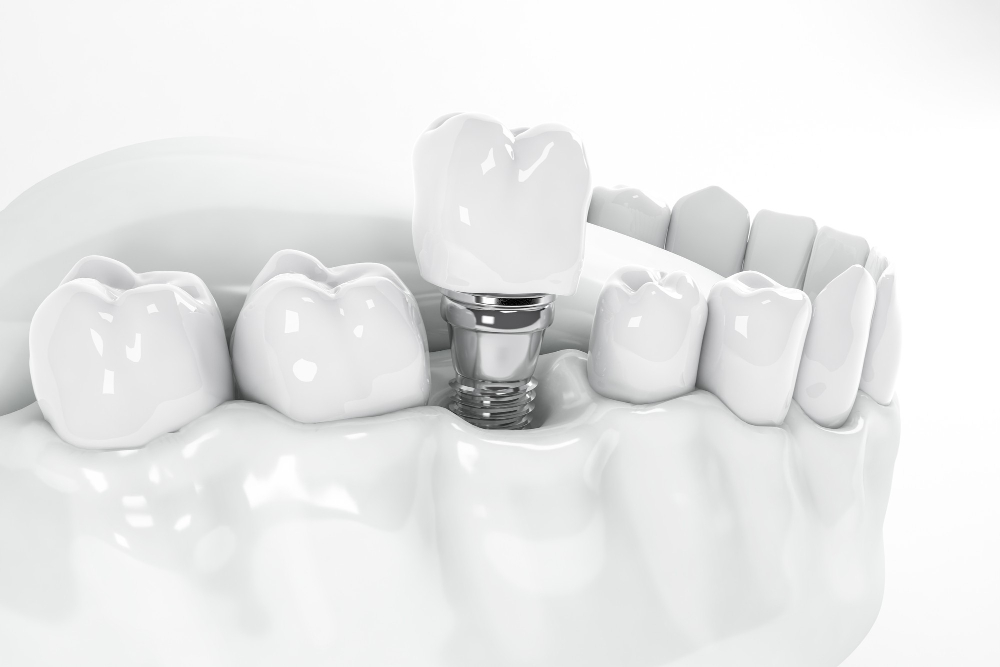
Tooth implants or dental implants are the modern solution for restoring lost teeth, offering stability, functionality and aesthetics that approximate natural teeth.
 dental implants
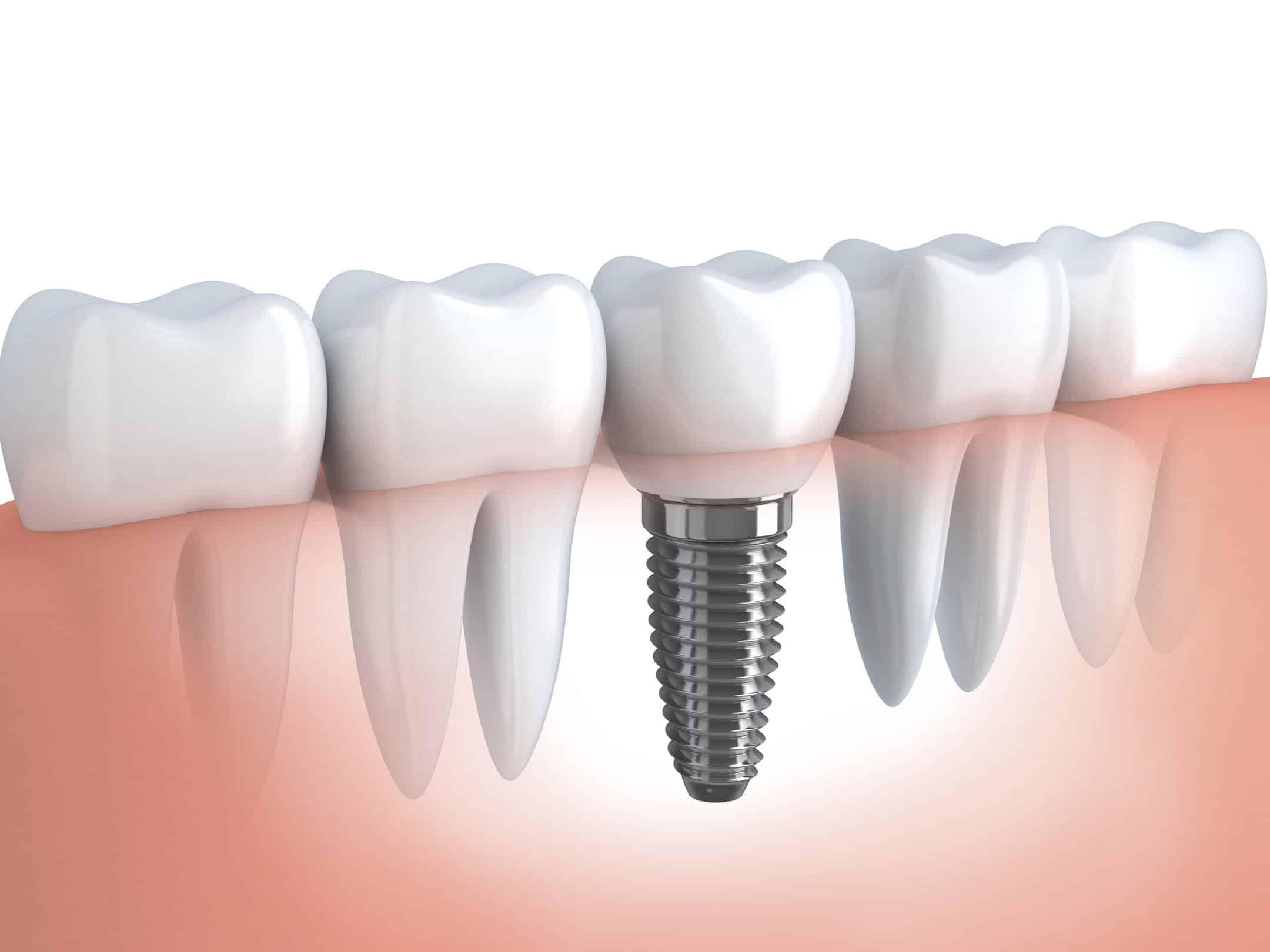
Dental implants are artificial tooth roots. An implant looks like a screw and is made of titanium, which is a biocompatible material. Dental implants are surgically placed in the jawbone to create a base on which the artificial tooth (crown) will be placed. They are placed under local anesthesia.
After about 3 months, bone cells form around the implant, integrating it into the jawbone (osseointegration). Once integrated into the jawbone, the crowns are bonded onto them.
For most patients, the placement of dental implants involves two surgical phases. During the first, the implant is placed into the bone (implanted). For the first 3-6 months after surgery, the dental implants are covered by the gums and gradually integrate into the jawbone (osseointegration process).
During this period, the patient may wear temporary dentures if it is a total jaw restoration. After the implants have been integrated into the bone, the second surgical phase follows, that of “exposing” the implants.
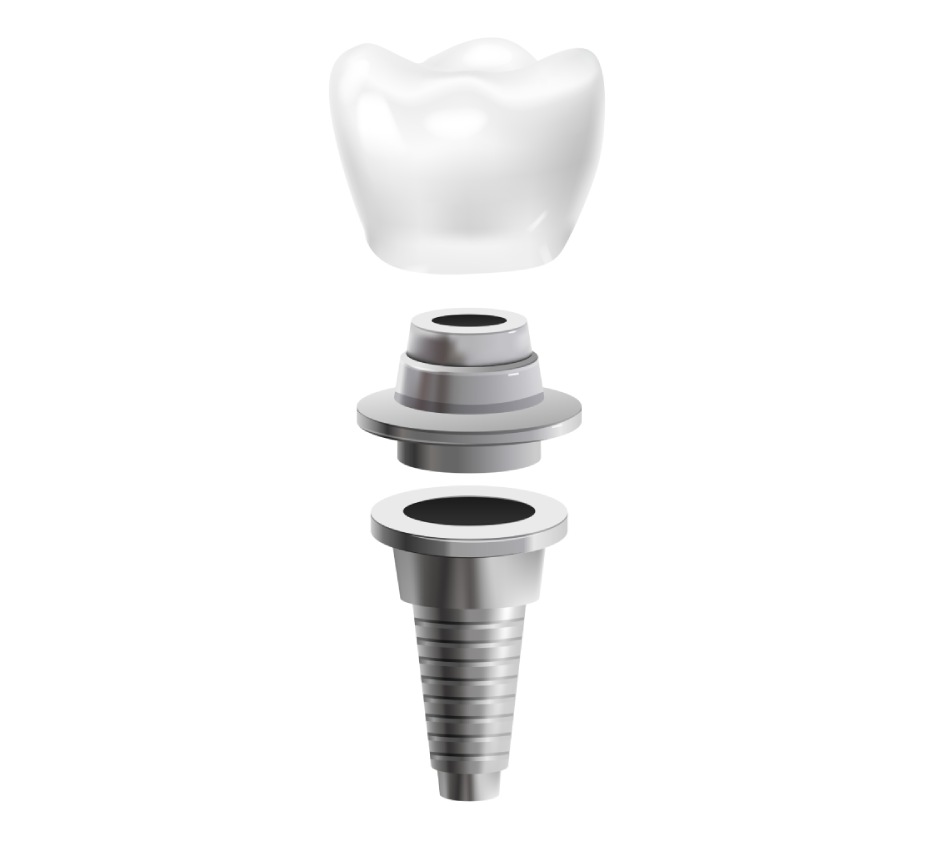
Under local anesthesia, the implants are exposed from the gums and a small gum healing screw is screwed onto them, protruding from the gum surface by approximately 1~2 millimeters.
Two to three weeks later, the healing screw temporarily gives way to the impression shaft and the impression with the positions of the implants and competing teeth goes to the laboratory to fabricate the final restoration.
The entire process from the first visit to the final placement of the restoration in the mouth takes approximately 4-5 months. Most patients do not experience any changes in their daily lives during this time.
Dental ImplantsThere are cases in which dental implants (bases) are placed “immediately” upon tooth extraction, “immediate implantation”, and even cases in which teeth are placed on the implants immediately, “immediate loading”, without having to wait the aforementioned time (4-5 months).
These are cases in which specific conditions exist, which allow for a deviation from the rule of completing the work in stages, and which will be discussed and analyzed by your doctor.
It is also important to understand that in some candidates for implant placement, especially those whose natural teeth to be replaced have been lost for a long time, there may be bone resorption and gum atrophy.
In these cases, it will be necessary, to a varying degree per case, to precede or occur simultaneously with the placement of dental implants and the addition of bone or soft tissue (gums), i.e. placement of bone or gum grafts respectively.
Dr. Sennis and his associates will discuss with you the necessity or not of the above addition in order to obtain the best functional and aesthetic result.
The medical team at Athens Oral & Maxillofacial Surgery has received extensive training in implantology. They have placed a large number of dental implants and through continuing education, are knowledgeable about the latest and most advanced methods in dental implantology.
Dental ImplantsDental implant treatment offers a stable, long-lasting and aesthetically pleasing solution for patients who have lost either all their teeth or individual parts of their dental arch. During the procedure, an artificial tooth (crown) is placed on a titanium implant, which has previously been integrated into the jawbone, completely replacing the lost natural tooth.
Implant placement is a highly precise surgical procedure, in which the implants are placed intraosseously, ensuring absolute stability and functionality. This solution is also indicated for cases of extensive wear, where other restoration methods are not feasible or stable.
Before starting treatment, a radiological examination (usually panoramic or CBCT) is requested and a detailed medical history is taken to ensure that implant placement is safe and appropriate for your case.
Our goal is to offer you a clear picture so that you can proceed with treatment with safety, knowledge and confidence.
During your clinic visit:
We will individually analyze all the parameters of your rehabilitation
We will answer all your questions about the procedure, healing and care of implants
We will discuss the cost of alternative treatment options, as well as available repayment options
Dental Implants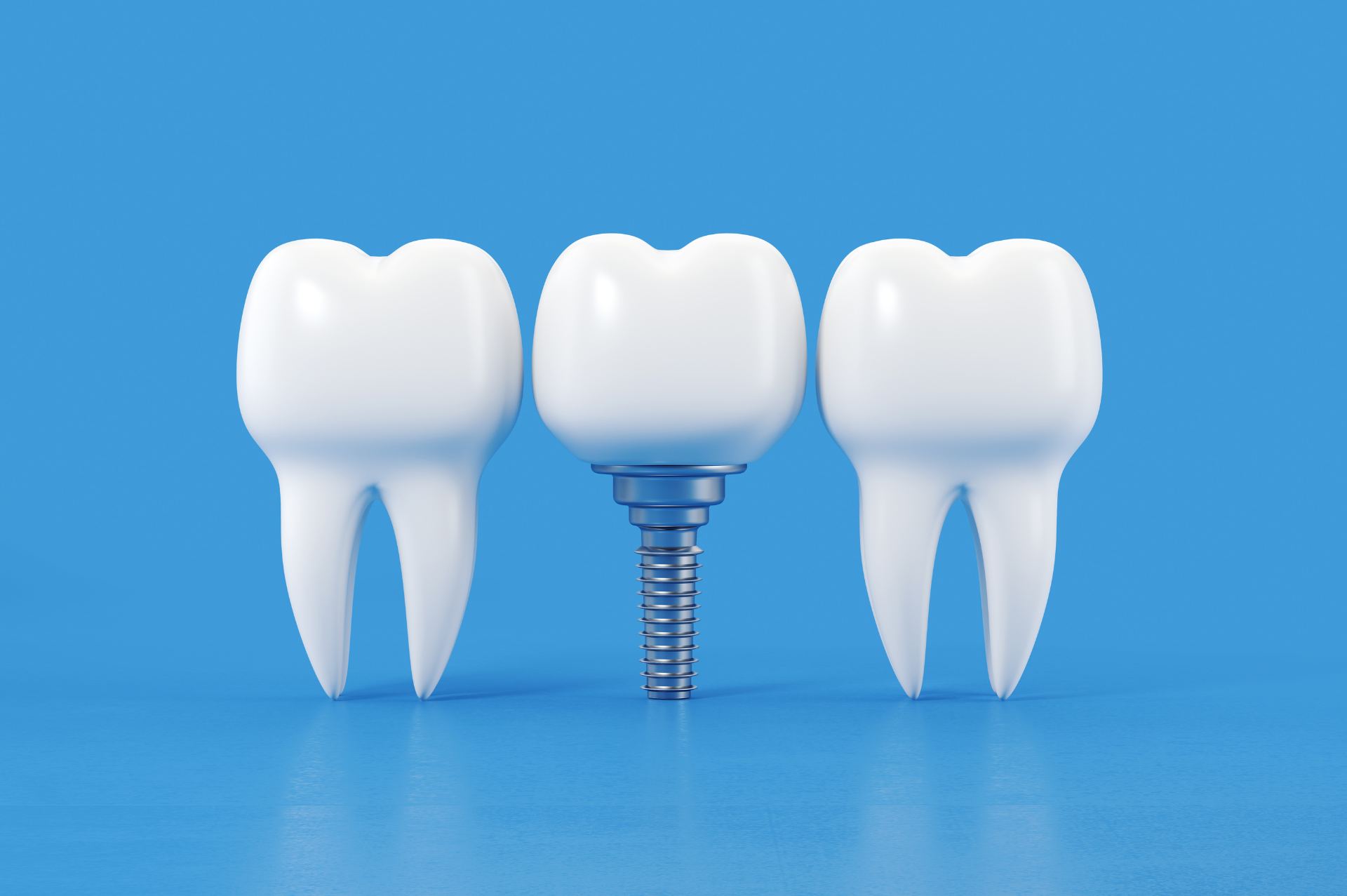
Dental implants are made of titanium and are placed into the bone, where they are biologically integrated (osseointegration), creating a stable and durable base for the artificial tooth.
Simply put, implants improve quality of life, enabling the patient to eat, speak, and smile again with naturalness and confidence.
Dental implants are today the most technologically advanced option for replacing natural teeth. Thanks to the look, feel and function that fully approximate natural teeth, they offer a completely natural result, both aesthetically and functionally.
By restoring lost teeth through implants:
as the problems caused by removable prosthetic solutions are avoided
since the patient can smile, talk and eat comfortably
as the jaw bone is supported
which is often observed after tooth loss
Dental ImplantsDental ImplantsThe cost of a tooth implant varies depending on:
In Greece, the price per implant unit usually ranges from €700 to €1,500, including the final crown.
Dental implants can last 15–25 years or more, as long as the patient:
The process is completed in 2–6 months , depending on the case:
Implant placement
Healing and osseointegration period (~3 months)
Placing the crown or bridge
In some cases, immediate loading implants are applied , with a crown placed on the same or next day.
Osseointegration is the biological process by which the jawbone integrates the implant , making it fully stable. This is the key stage for the success of the dental implant.
Yes, in some cases implants may not be appropriate or may require special handling, such as:
Uncontrolled diabetes
Cardiological or immunological diseases
Osteoporosis with bisphosphonates
Heavy smoker
Poor oral hygiene
The oral surgeon or dentist will assess suitability during the examination.
In many cases, yes . Implants:
They do not require grinding of adjacent teeth (like bridges)
They are more stable than removable dentures
They have a longer lifespan
They offer better aesthetics and functionality
Yes, but bone grafting or sinus lift (especially in the maxilla) may be needed. The maxillofacial surgeon will assess bone availability with x-rays or computed tomography (CBCT).
Dental implants are completely safe , with success rates reaching 95–98% worldwide. Titanium is a biocompatible material and rarely causes an allergic reaction.
In complete jaw restoration, solutions such as:
All-on-4 : 4 implants to support the entire jaw
All-on-6 : 6 implants for increased stability
Personalized solutions , depending on the patient’s bone, age and needs
After dental implant placement, it is important to closely follow your doctor’s post-operative instructions for quick healing and avoiding complications. They usually include:
Avoid chewing on the implant area in the first few days
Eating soft, lukewarm or cold foods
Meticulous oral hygiene without injuring the area
Avoid smoking, alcohol and using a straw for at least 48 hours
Taking medication (antibiotics, painkillers) according to instructions
Follow-up by the doctor at the scheduled follow-ups
Proper postoperative care contributes to successful osseointegration , reduces the risk of complications and increases the lifespan of the implant.