Accurate diagnosis is essential for proper treatment planning.
The diagnosis for temporomandibular joint disease is based on:

Shopping cart
No Widget Added
Please add some widget in Offcanvs Sidebar
Maxillofacial Surgeon Panagiotis Sennis, Director of Oral & Maxillofacial Surgery at the Naval Hospital of Athens, is the first to introduce arthroscopic CTG surgery in Greece.
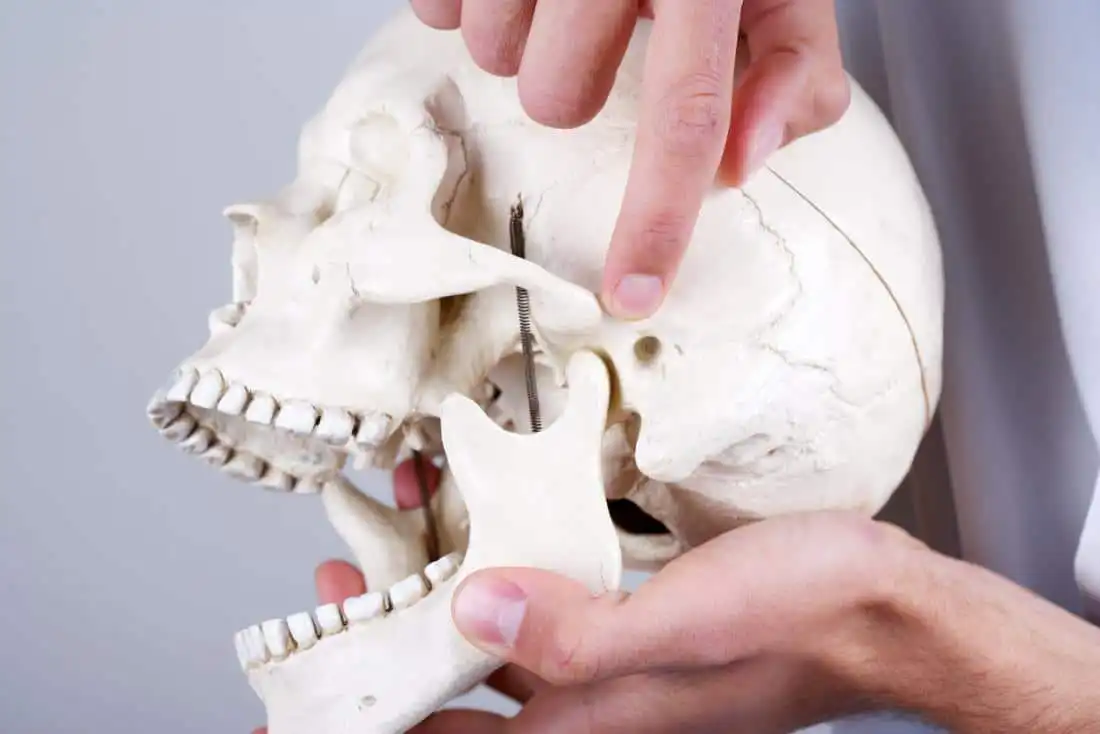
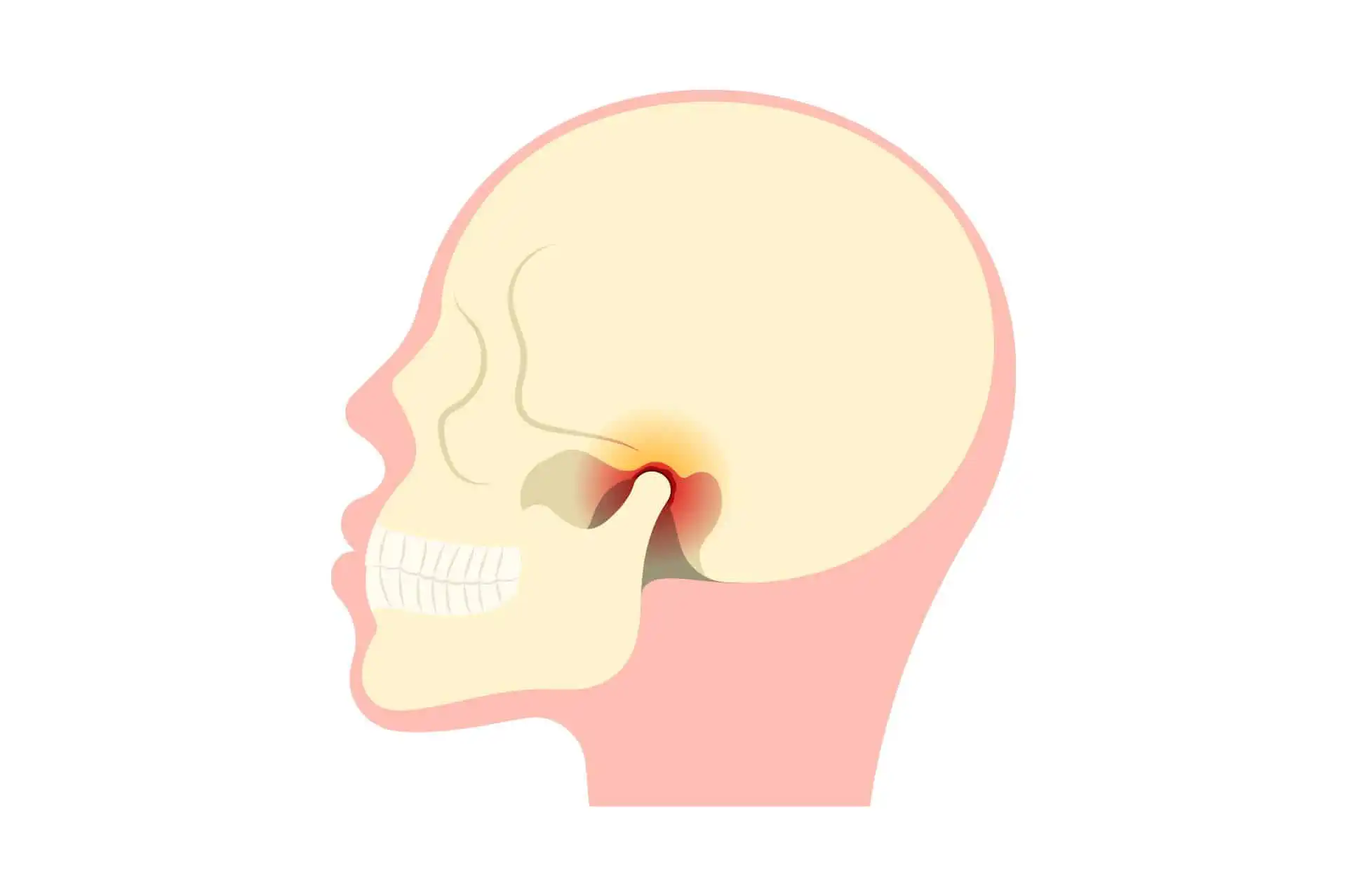
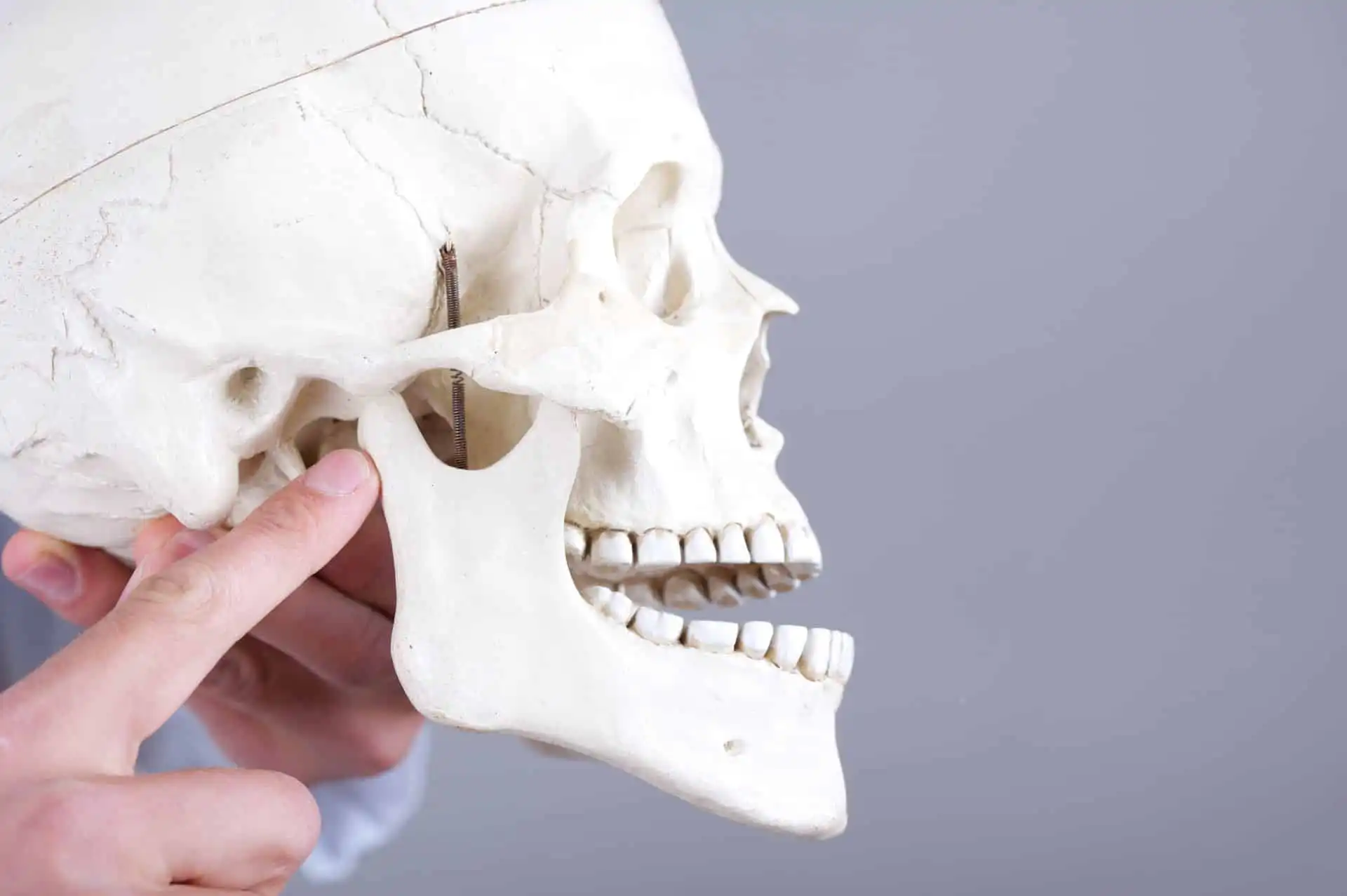
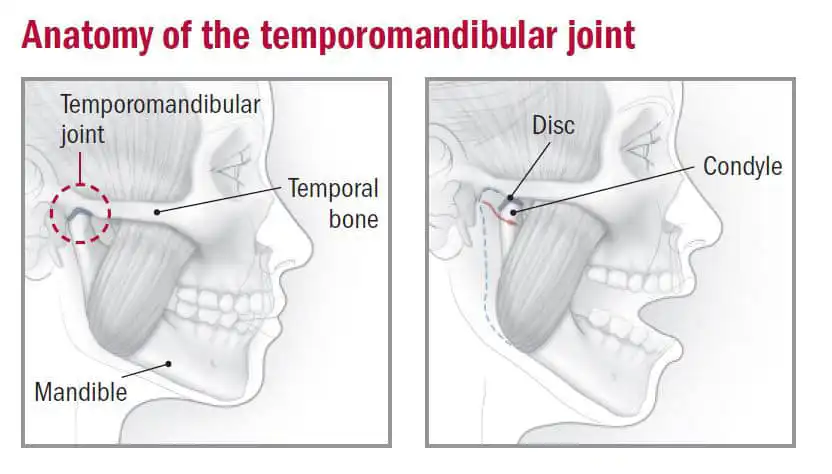
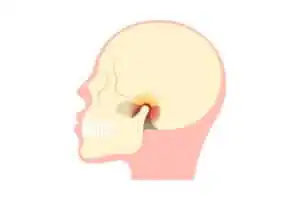
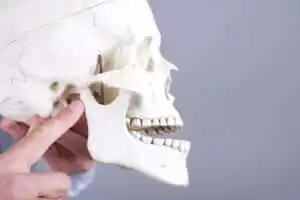
The temporomandibular joint (TMJ) is the joint that connects the lower jaw to the base of the skull and is located just in front of the ear.
It allows the lower jaw to move in multiple axes – up and down, front and back, and sideways – enabling functions such as chewing, speaking, and yawning. Due to its complex function, it is one of the most complex joints in the human body.
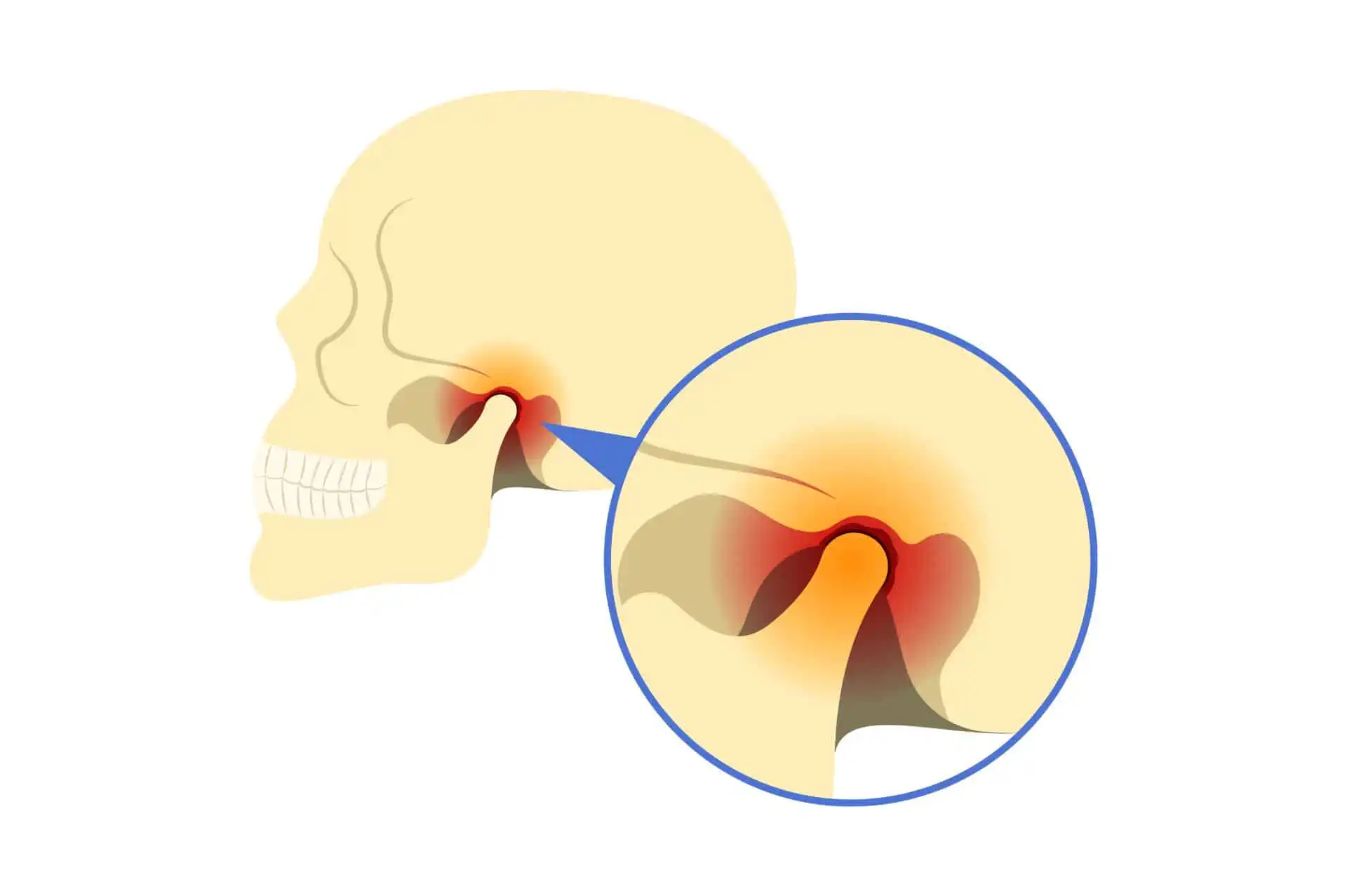
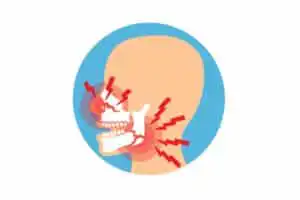
These factors often lead to inflammation, stiffness, and pain in the joint .
CGM disorders can result from many factors:
Temporomandibular joint arthritis is an inflammatory condition that affects the joint and occurs mainly in people aged 20–50 years.
The special construction and daily use of this joint make it prone to wear.
When the mouth is fully opened, the movement of the condyle causes additional strain, which, combined with bruxism and other parafunctional habits, often leads to arthritis.
Often, arthritis is the result of a combination of factors that act cumulatively over time.
Accurate diagnosis is essential for proper treatment planning.
The diagnosis for temporomandibular joint disease is based on:

(soft foods for 10–20 days)
(anti-inflammatory NSAIDs)
(avoid overextension and hard chewing)
Maxillofacial Surgeon Panagiotis Sennis , Director of Oral & Maxillofacial Surgery at the Naval Hospital of Athens, is the first to introduce arthroscopic CMD surgery in Greece.
With many years of experience and specialization in joint diseases, he applies personalized therapeutic protocols – from conservative treatment to the most modern surgical techniques – ensuring safety , precision and functional rehabilitation for the patient.
In advanced or resistant cases:
(minimally invasive technique with an endoscope, without a classic incision)
in serious cases, by a specialized Maxillofacial Surgeon
In many cases, it is not easy to determine whether the pain comes exclusively from the temporomandibular joint, from the masticatory muscles, or from both.
Stress plays a key role, as it can cause muscle overstimulation and pain that mimics the symptoms of joint dysfunction.
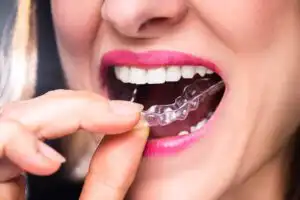
Patients with bruxism – i.e. unconscious clenching or grinding of the teeth, mainly during sleep – often experience spasms and pain in the masticatory muscles, accompanied by difficulty moving the jaw.
In other cases, the problem is mixed, with simultaneous involvement of both the joint and the muscles, which complicates diagnosis.
For this reason, specialized clinical and imaging evaluation is required to identify the exact cause and determine the appropriate treatment.