If you are at increased risk for developing oral cancer, e.g. smokers, alcohol users, you should visit your oral and maxillofacial surgeon for at least an annual check-up.
mouth ulcers
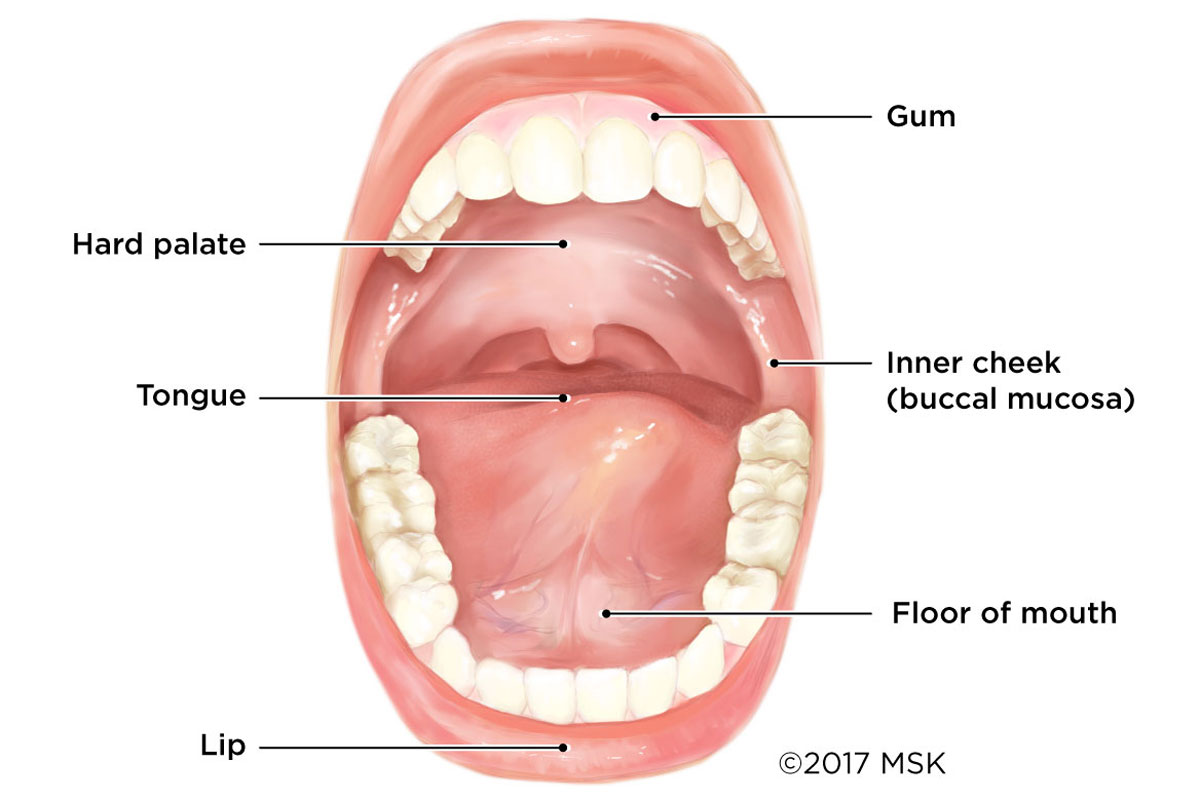
Self-examination of the oral cavity
Because the mouth is the area of the body where changes can most easily become visible, oral cancer can be detected in its earliest stages. By periodically checking the oral cavity, we can detect anything “abnormal” in our mouth early and thus increase the chances of cure.
MONTHLY SELF-CHECK
Oral and maxillofacial surgeons recommend that everyone perform a monthly oral self-examination. If you are at increased risk for oral cancer, e.g. smokers, alcohol users, you should visit your oral and maxillofacial surgeon for at least an annual check-up.
Oral Cancer - Factors that can cause cancer
Research has identified many factors that can cause oral cancer. The most common are tobacco and alcohol. Other factors include poor oral hygiene, trauma from ill-fitting dentures or rough-surfaced teeth, poor/deficient diet, certain chronic inflammations, and a combination of the above factors.
Studies have shown that the mortality rate from oral cancer is approximately 4 times higher in smokers than in non-smokers. It is also widely accepted in the medical world that the increase in temperature from pipe and cigarette use irritates the mouth and can lead to lip cancer. Those who are at high risk of developing oral cancer over the age of 40 are heavy drinkers and smokers as well as tobacco users.
mouth ulcers
Early diagnosis & treatment increases cure rates
Ask to be examined by your oral and maxillofacial surgeon if you discover any of the above signs. If a suspicious lesion is found, a biopsy may be recommended. The piece that will be removed will be examined under the microscope in the pathology laboratory to confirm the clinical diagnosis. The result of the biopsy will not only help to establish the diagnosis but also to develop a specific surgical treatment plan.
When performing a self-examination of the oral cavity, pay attention to the following:
White lesions of the oral mucosa – leukoplakia
Red lesions – erythroplakia
White-red lesions / erythroleukoplakia
Wounds that fail to close and bleed easily
Chronically irritated throat with intense hoarseness



 mouth ulcers