
Shopping cart

Subscribe to out newsletter today to receive latest news administrate cost effective for tactical data.

Let’s Stay In Touch

Subscribe to out newsletter today to receive latest news administrate cost effective for tactical data.

Let’s Stay In Touch

Κέντρο ΣΤΟΜΑΤΙΚΗ & ΓΝΑΘΟΠΡΟΣΩΠΙΚΗ ΧΕΙΡΟΥΡΓΙΚΗ - Παναγιώτης Σεννής

Orthognathic Surgery

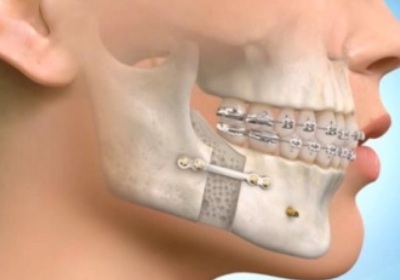
Orthognathic surgery realigns the teeth and jaws into more harmonious and functional positions.


favicon e1766482459264Orthognathic Surgery

What is Orthognathic Surgery?

Orthognathic surgery corrects a wide range of skeletal and dental abnormalities. The results of orthognathic surgery can have significant and positive effects on many areas of life. While the patient’s appearance may change to some degree, orthognathic surgery serves to correct surgical problems.

Take advantage of the advantages

Orthognathic surgery realigns the teeth and jaws into more harmonious and functional positions. While the goal of this treatment is to improve occlusion and function, many patients also notice a difference (improvement) in appearance and speech. The results of orthognathic surgery can have significant and positive impacts on many areas of life.

Orthognathic Surgery 1
favicon e1766482459264Orthognathic Surgery

Who needs Orthognathic Surgery?

Among the people who can benefit from orthognathic surgery are those who do not have a proper dental occlusion, which results from a poor arrangement of the teeth in the jaw(s). In some cases, the upper and/or lower jaw grow at different rates.

The following are some of the cases in which orthognathic surgery is indicated.

Difficulty chewing

Difficulty swallowing

Chronic pain in the jaw or temporomandibular joint

Extended view of teeth

Orthognathic Surgery 2

Open bite

Space between teeth when mouth is closed

Facial asymmetry

looking at it face to face or sideways.

Facial trauma or genetic skeletal abnormalities

Beard view

Protruding jaw

Inability to close the lips without effort

Chronic mouth breathing and dry mouth

Sleep apnea

Orthognathic surgery is a specialized procedure that aims to correct the position of the jaws, both upper and lower. The procedure is usually performed under general anesthesia and in many cases can be combined with orthodontic treatment before and after the surgery. During the procedure, the jaws are moved to achieve proper occlusion and balance in the face. After surgery, the patient can have a significant improvement in both facial function and aesthetics.


favicon e1766482459264Orthognathic Surgery

What is included in Orthognathic Surgery?

Before surgery, orthodontic appliances called “braces” will move your teeth into the correct position. Because the arrangement of the teeth will be such that they will have a correct relationship after surgery, you will have the impression that the relationship of the teeth of the two jaws is getting worse instead of getting better. However, these are being prepared for the new position of the jaws that will result after surgery, when they will fit perfectly.

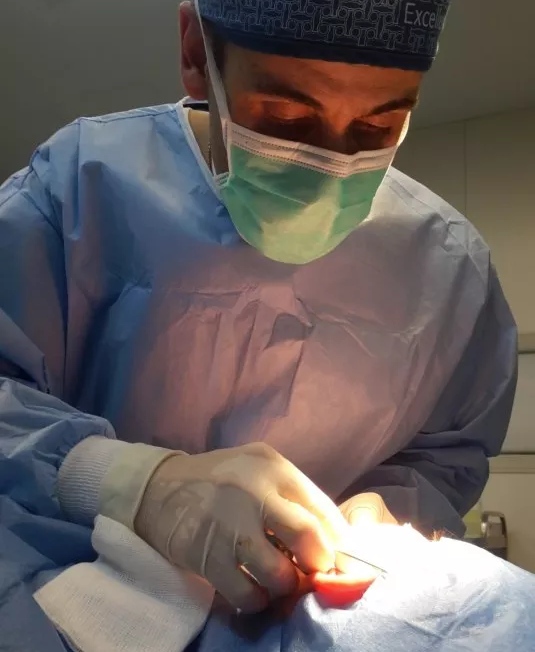
As pre-surgical orthodontic treatment approaches, more recent x-rays, photographs, and casts may be needed to guide the surgery. The surgery is performed under general anesthesia in a hospital setting and can last from one to several hours.

The Oral and Maxillofacial Surgeon will move your jaws according to your individual needs. In some cases, bone addition or removal or even shaping may be necessary. Surgical bone fixation materials will be used to stabilize the bone(s) in their new positions. Incisions are made intraorally so that there are no facial scars after surgery.

Orthognathic Surgery 3

After surgery, the surgeon will give you instructions for a modified diet, adapted to your needs and capabilities for the immediate postoperative period. The transition to a normal diet occurs after 4-6 weeks. It will also be necessary for a period of 3-4 weeks to stop smoking and limit intense physical activity.

The pain following orthognathic surgery is easily controlled with painkillers and the patient usually returns to work or school 1-3 weeks after surgery, depending on how they feel. And while the first (and most critical) recovery period is about 6 weeks, it takes 9-12 months for the bones to reach the strength and hardness of the pre-operative period.

favicon e1766482459264Ορθογναθική Χειρουργική

Συχνές Ερωτήσεις

Πόσο κοστίζουν τα εμφυτεύματα δοντιών;

Το κόστος ενός εμφυτεύματος δοντιού ποικίλλει ανάλογα με:

  • Τον αριθμό των εμφυτευμάτων
  • Τη γενική κατάσταση της στοματικής υγείας
  • Αν απαιτείται πρόσθετη διαδικασία (π.χ. ανύψωση ιγμορείου, οστική ανάπλαση)
  • Το είδος της προσθετικής αποκατάστασης (στεφάνη, γέφυρα ή ολική αποκατάσταση)

Στην Ελλάδα, η τιμή ανά μονάδα εμφυτεύματος κυμαίνεται συνήθως από 700€ έως 1.500€, συμπεριλαμβανομένης της τελικής στεφάνης.

Τα εμφυτεύματα δοντιών μπορούν να διαρκέσουν 15–25 χρόνια ή και περισσότερο, εφόσον ο ασθενής:

  • Διατηρεί καλή στοματική υγιεινή
  • Ακολουθεί τακτικά προληπτικά check-up
  • Δεν καπνίζει
  • Δεν έχει σοβαρά συστηματικά νοσήματα (π.χ. μη ρυθμιζόμενος διαβήτης)