

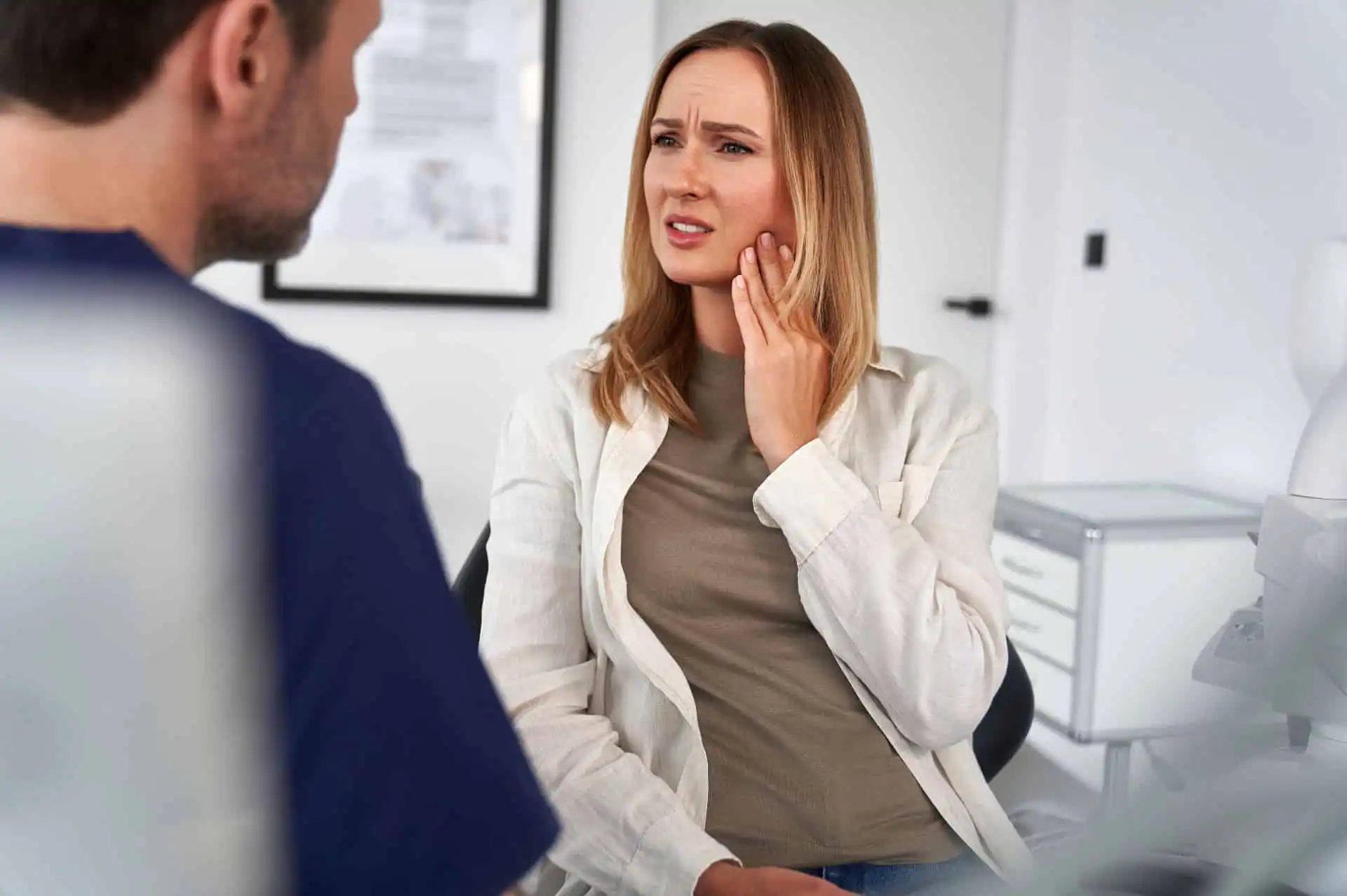
Teeth Grinding (Bruxism): Causes, Symptoms and Treatment
What is teeth grinding or bruxism?
Teeth grinding, also known as bruxism, is the involuntary clenching and/or grinding of the teeth. It can occur during sleep, known as sleep or nocturnal bruxism, or while awake, referred to as awake bruxism.
Bruxism is relatively common and affects both children and adults. Its prevalence in the general population is estimated at approximately 10–20%.
Causes and contributing factors
Bruxism has several possible causes and contributing factors.
Psychological factors
- Anxiety, stress and emotional tension
- Sleep disturbances, insomnia and sleep apnea
Neuromuscular and functional factors
- Problems with dental occlusion
- Parafunctional habits, such as biting objects or nail biting
Medication-related and neurological factors
- Use of certain antidepressants, including SSRIs
- Parkinson’s disease and other neurological disorders
Genetic predisposition
- Bruxism appears more frequently among first-degree relatives
Clinical signs and symptoms
Bruxism can cause a wide range of symptoms and oral health problems.
Oral and dental signs
- Tooth wear, cracks and fractures
- Gum recession and increased tooth mobility
- Enlargement of the chewing muscles
Musculoskeletal and neurological symptoms
- Pain or tenderness in the masticatory muscles
- Headaches, particularly in the morning
- Temporomandibular joint pain or joint sounds
- Limited mouth opening
General symptoms
- Sleep disturbances
- Fatigue, irritability and stress-related physical symptoms
Diagnosis
Diagnosis is based on:
- A detailed medical and dental history
- Clinical examination
- Imaging when required
- Polysomnography when sleep apnea is suspected
Treatment of bruxism
1. Bruxism splints
Custom-made acrylic night guards help protect the teeth and reduce excessive strain on the temporomandibular joint and the chewing muscles.
2. Medication
Muscle relaxants, anxiolytics or antidepressants may be considered in selected cases. Botulinum toxin injections may also be used in patients with excessive activity of the masticatory muscles.
3. Psychological and behavioural therapy
Stress management, relaxation techniques, cognitive behavioural therapy and biofeedback can help reduce habits associated with clenching and muscle tension.
4. Habit modification
Reducing caffeine and alcohol intake and avoiding chewing gum or other parafunctional habits may help limit excessive jaw activity.
5. Management of sleep disorders
When sleep apnea is suspected or diagnosed, assessment by a sleep medicine specialist is recommended.
Prognosis
Teeth grinding (bruxism) may be temporary or persistent. With appropriate treatment, most patients achieve significant improvement in their symptoms while also reducing the risk of further damage to the teeth, jaw muscles and temporomandibular joints.
In cases where several factors contribute to bruxism, treatment may involve collaboration between an oral and maxillofacial surgeon, dentist, physiotherapist and psychologist.
Conclusion
Teeth grinding is more than a harmless habit. Persistent bruxism can affect the teeth, masticatory muscles and temporomandibular joints and may cause pain or functional problems.
Early diagnosis and an individualized treatment plan help protect the teeth, relieve symptoms and reduce the risk of further damage to the oral and maxillofacial system.