

Teeth Grinding: Causes, Side Effects & Treatment
Teeth grinding, also known as bruxism, is an involuntary habit that affects many people. Although it is often associated with night-time teeth grinding, bruxism can also occur during the day, sometimes without the person even realizing it. Over time, teeth grinding can affect the health of the teeth, jaw muscles and temporomandibular joints.
Why does teeth grinding occur?
There are several possible causes of teeth grinding. One of the most common is stress and anxiety. During periods of increased emotional or mental pressure, some people unconsciously grind or press their teeth together, particularly during sleep.
Other contributing factors include certain medications, such as some antidepressants, excessive consumption of caffeine, alcohol or nicotine, as well as some neurological conditions. Dental alignment and bite-related problems may also contribute in selected cases.
What are the side effects of teeth grinding?
Persistent teeth grinding can place excessive pressure on the teeth and surrounding structures. Over time, this pressure may wear down the tooth enamel, which forms the protective outer surface of the teeth, and increase the risk of cracks, tooth fractures and damaged fillings.
Other possible effects include pain in the facial and jaw muscles, headaches, particularly in the morning, ear pain and problems involving the temporomandibular joint (TMJ). These may cause pain, clicking sounds or discomfort when opening and closing the mouth.
How is teeth grinding treated?
Treatment for teeth grinding depends on the underlying cause.
When stress is a major contributing factor, stress management and relaxation techniques such as yoga, meditation, psychotherapy or regular physical activity can help reduce grinding episodes. Limiting caffeine and alcohol, especially before bedtime, may also be beneficial.
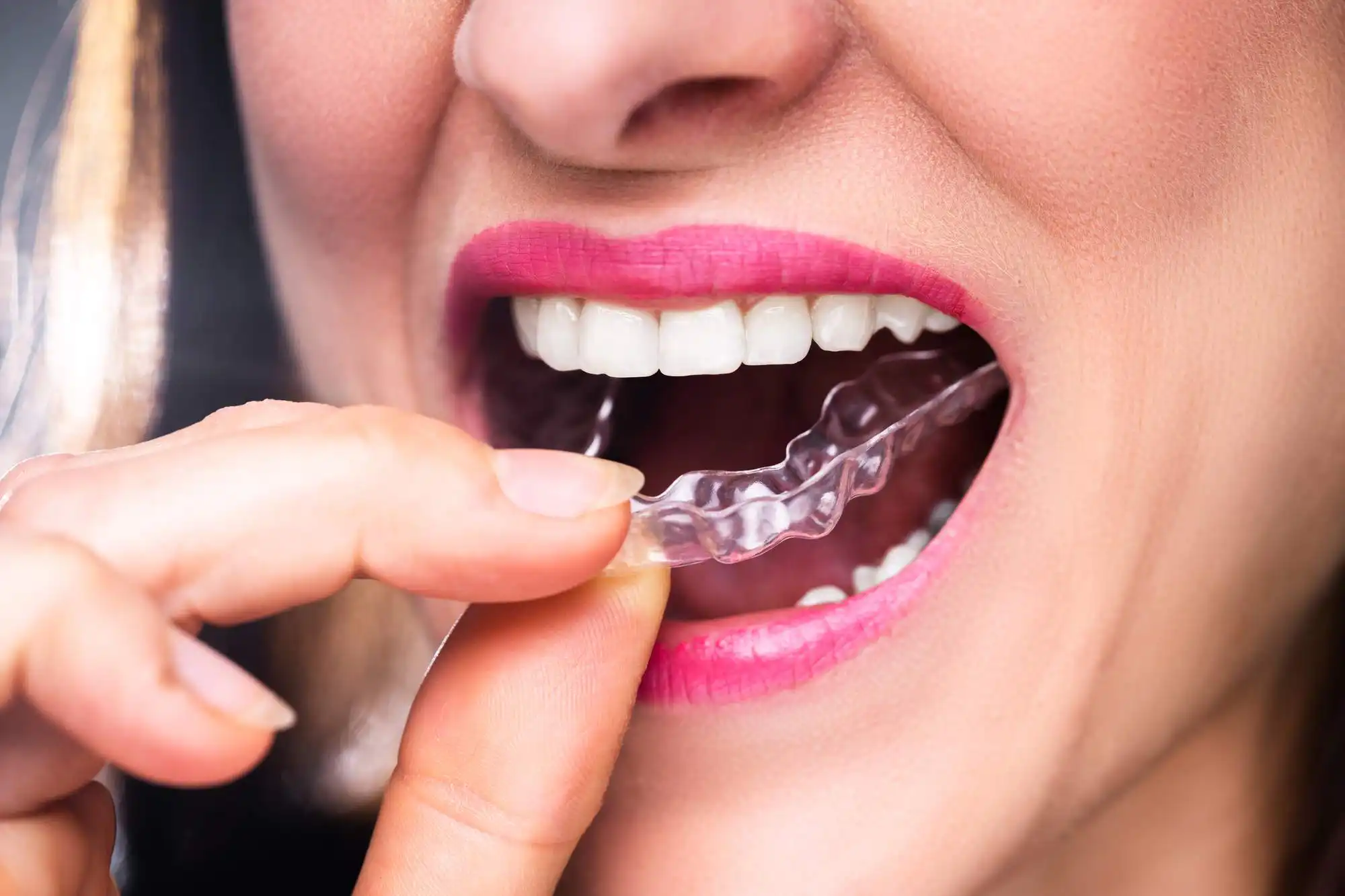
An experienced oral and maxillofacial surgeon may recommend a custom-made night guard or occlusal splint. This appliance fits over the teeth and helps protect them from excessive forces while reducing strain on the jaw muscles and temporomandibular joints.
For muscle pain, treatment may include medication such as non-steroidal anti-inflammatory drugs (NSAIDs). In selected cases, short-term use of muscle relaxants may also be considered. Physiotherapy can help restore normal muscle function, improve jaw mobility and reduce pain.
In more severe cases, teeth grinding may be treated with botulinum toxin (Botox) injections into the masseter muscles to reduce excessive muscle activity.
When a clinically significant bite or orthodontic problem is present, orthodontic treatment may also form part of the overall treatment plan.