

Temporomandibular Disorders (TMD): Symptoms, Diagnosis and Treatment
Introduction
Temporomandibular disorders (TMD) are a group of conditions that affect the temporomandibular joint (TMJ), the muscles involved in chewing and the surrounding structures. They can cause pain, difficulty moving the jaw and problems with everyday activities such as eating, speaking or opening the mouth comfortably.
Symptoms vary considerably from one person to another. Some patients mainly experience muscle pain or tension, while others develop symptoms related to the joint itself, such as clicking, restricted movement or jaw locking.
Anatomy of the temporomandibular joint
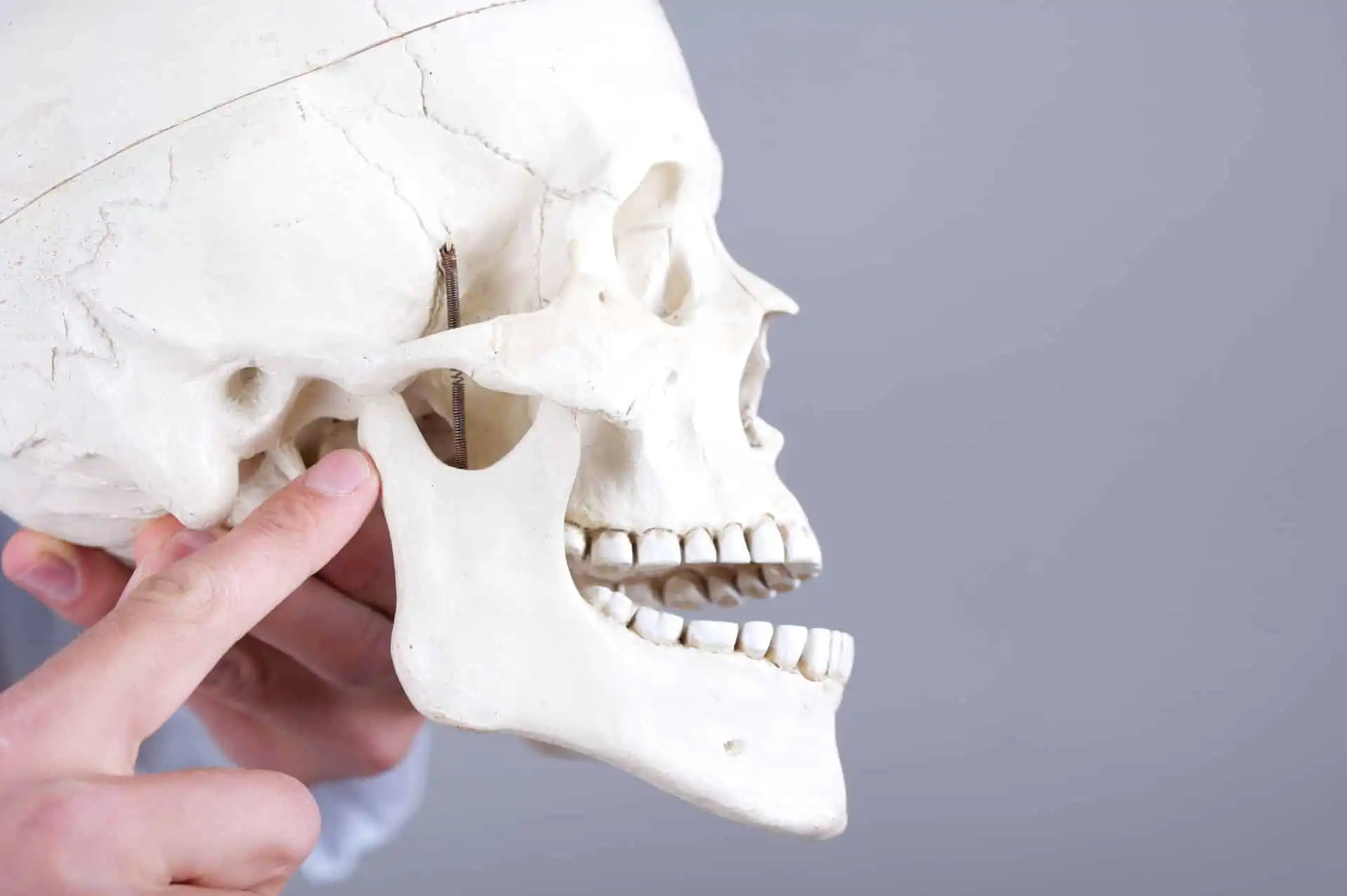
The temporomandibular joint connects the lower jaw, or mandible, to the temporal bone of the skull. Between the mandibular condyle and the temporal bone lies an articular disc, which helps the joint move smoothly and distributes the forces generated during jaw movement.
The TMJ works together with the muscles of mastication, including the masseter, temporalis, medial pterygoid and lateral pterygoid muscles.
This coordinated system allows us to open and close the mouth, move the jaw from side to side and bring the lower jaw forward.
What causes temporomandibular disorders?
TMD does not always have a single identifiable cause. In many patients, several factors contribute to the development or persistence of symptoms.
These include:
- Muscle-related problems, such as excessive muscle tension or bruxism
- Intra-articular disorders, including displacement of the articular disc with or without reduction
- Degenerative changes within the temporomandibular joint
- Acute trauma or repeated microtrauma
- Stress, anxiety and emotional tension, which may increase muscle activity and jaw clenching
- Developmental abnormalities or structural changes
- Systemic conditions, including rheumatoid arthritis
Identifying the main source of the symptoms is important because muscle-related pain, disc disorders and degenerative joint disease do not necessarily require the same treatment.
Symptoms of TMD
Temporomandibular disorders can present in different ways. Common symptoms include:
- Pain around the temporomandibular joint
- Tenderness or pain in the chewing muscles
- Pain around or in front of the ear
- Difficulty or discomfort when opening the mouth
- Reduced jaw movement or trismus
- Clicking, popping or grinding sounds from the joint
- Episodes in which the jaw feels stuck or “locked”
- Headaches
- Earache without an obvious ear-related cause
- Neck discomfort or stiffness
- Deviation or asymmetrical movement of the jaw when opening the mouth
Joint sounds alone do not always indicate a condition that requires treatment. Their significance depends on whether they are associated with pain, restricted movement or other symptoms.
How is TMD diagnosed?
Diagnosis begins with a detailed medical and dental history. We assess where the pain occurs, how long it has been present, whether it is constant or intermittent and which movements or habits make it worse.
The clinical examination usually includes palpation of the temporomandibular joints and chewing muscles, assessment of jaw movement and measurement of the maximum mouth opening. We also check the symmetry of mandibular movement and listen or feel for clicking, popping or crepitus within the joint.
When further investigation is necessary, imaging helps us examine the joint in greater detail.
Depending on the clinical findings, this may include:
- Panoramic radiography (OPG) for an initial assessment of the jaws and surrounding structures
- Magnetic resonance imaging (MRI) to evaluate the articular disc, soft tissues and internal joint structures
- Computed tomography (CT) when detailed assessment of the bony anatomy is required
In selected cases, additional diagnostic procedures such as arthrography or arthroscopy provide more detailed information about the condition of the joint.
Treatment of temporomandibular disorders
Treatment depends on the cause of the symptoms, their severity and the structures involved. In most patients, management begins with conservative treatment rather than surgery.
Approximately 80–90% of cases are treated conservatively, with treatment progressing according to the patient’s symptoms and response.
Conservative treatment
Initial treatment may include:
- Patient education about the condition and habits that place unnecessary strain on the joint
- Dietary and lifestyle changes, such as temporarily avoiding hard or chewy foods
- Avoiding habits such as chewing pens, biting objects or excessive gum chewing
- Physiotherapy and targeted jaw exercises
- Medication, including non-steroidal anti-inflammatory drugs (NSAIDs) or muscle relaxants when clinically appropriate
- Occlusal splints, including stabilization or anterior positioning splints in selected cases
- Management of bruxism and jaw clenching
- Psychological support or stress management when emotional stress contributes significantly to muscle tension or parafunctional habits
The purpose of conservative treatment is to reduce pain, improve jaw movement and limit excessive strain on the temporomandibular joint and surrounding muscles.
When is interventional treatment required?
When symptoms persist despite appropriate conservative treatment, or when examination and imaging reveal a specific intra-articular problem, further treatment may be considered.
Options include:
- Arthrocentesis
- TMJ arthroscopy
- Open TMJ surgery
Arthrocentesis involves lavage of the joint space and is used in selected patients with painful restriction of movement or specific internal joint disorders.
TMJ arthroscopy allows the surgeon to examine the inside of the joint through very small access points and, when indicated, perform treatment at the same time.
Open surgery is reserved for selected cases with significant structural pathology, such as severe degenerative joint disease, ankylosis or persistent internal derangement that has not responded to less invasive treatment. Procedures may include disc surgery, discectomy or arthroplasty, depending on the underlying problem.
The role of the oral and maxillofacial surgeon
Symptoms around the jaw joint do not always originate from the TMJ itself. Muscle disorders, dental problems, neurological pain and conditions affecting nearby structures can produce similar symptoms.
For this reason, an accurate diagnosis is essential before treatment begins.
The oral and maxillofacial surgeon evaluates both the joint and the surrounding structures, determines whether the problem is muscular, intra-articular or related to another condition, and recommends treatment according to the individual findings.
When conservative measures are not sufficient, the surgeon can also perform specialized procedures such as arthrocentesis, arthroscopy or open joint surgery when there is a clear clinical indication.
Conclusion
Temporomandibular disorders include a wide range of conditions affecting the jaw joint, chewing muscles and surrounding tissues.
Pain, clicking, restricted jaw movement and episodes of locking are among the symptoms that may require further assessment, particularly when they persist or interfere with normal jaw function.
A thorough clinical examination, supported by appropriate imaging when necessary, helps identify the source of the problem and guide treatment. In most cases, treatment begins conservatively, while minimally invasive or surgical procedures are reserved for patients with specific joint pathology or persistent symptoms.