

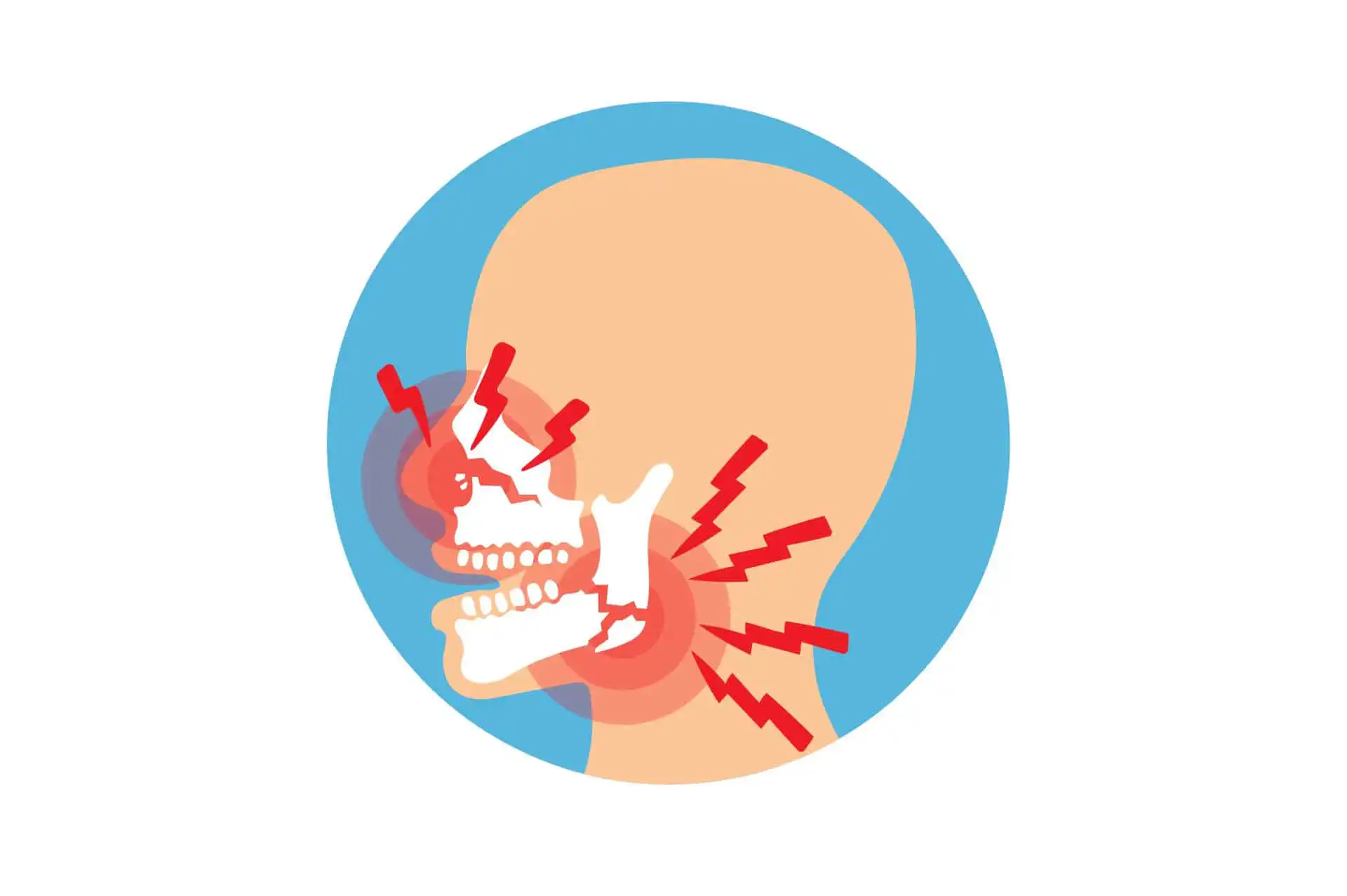
Temporomandibular Joint Disorder – Symptoms and Treatment
Temporomandibular Joint Disorder – Introduction
Temporomandibular joint disorder (TMD) refers to a group of symptoms associated with dysfunction of the temporomandibular joint (TMJ). In this article, we explain the most common TMD symptoms, how the condition is diagnosed and which treatment options are currently available.
What is temporomandibular joint disorder?
Temporomandibular joint disorder is not a single disease. It describes a clinical condition involving symptoms such as pain, joint sounds and impaired jaw function, which may result from disorders of the temporomandibular joint itself or from problems affecting the muscles involved in chewing.
Temporomandibular joint disorder symptoms
The most common symptoms of TMD include:
- Pain around the TMJ, in front of the ear, along the jaw or in the muscles used for chewing
- Joint sounds during jaw movement, such as clicking, popping or grinding when opening or closing the mouth
- Limited mouth opening or a sensation that the jaw is “locked”
- Headaches and neck pain, sometimes resembling tension headaches
- Difficulty chewing or fatigue in the chewing muscles
- Ear pain or a feeling of fullness in the ear without an underlying ear condition
- Tooth sensitivity or enamel wear associated with bruxism
Note: Not everyone experiences all of these symptoms. TMD may be mild and temporary or persistent enough to interfere with normal jaw function.
Why do these symptoms occur?
Several factors may contribute to the development of temporomandibular joint disorder, including:
- Bruxism or teeth clenching
- Structural abnormalities or bite-related problems
- Trauma to the jaw or temporomandibular joint
- Chronic overloading of the chewing muscles
- Stress and other psychological factors
- Degenerative changes in the joint, such as osteoarthritis
Temporomandibular joint disorder symptoms
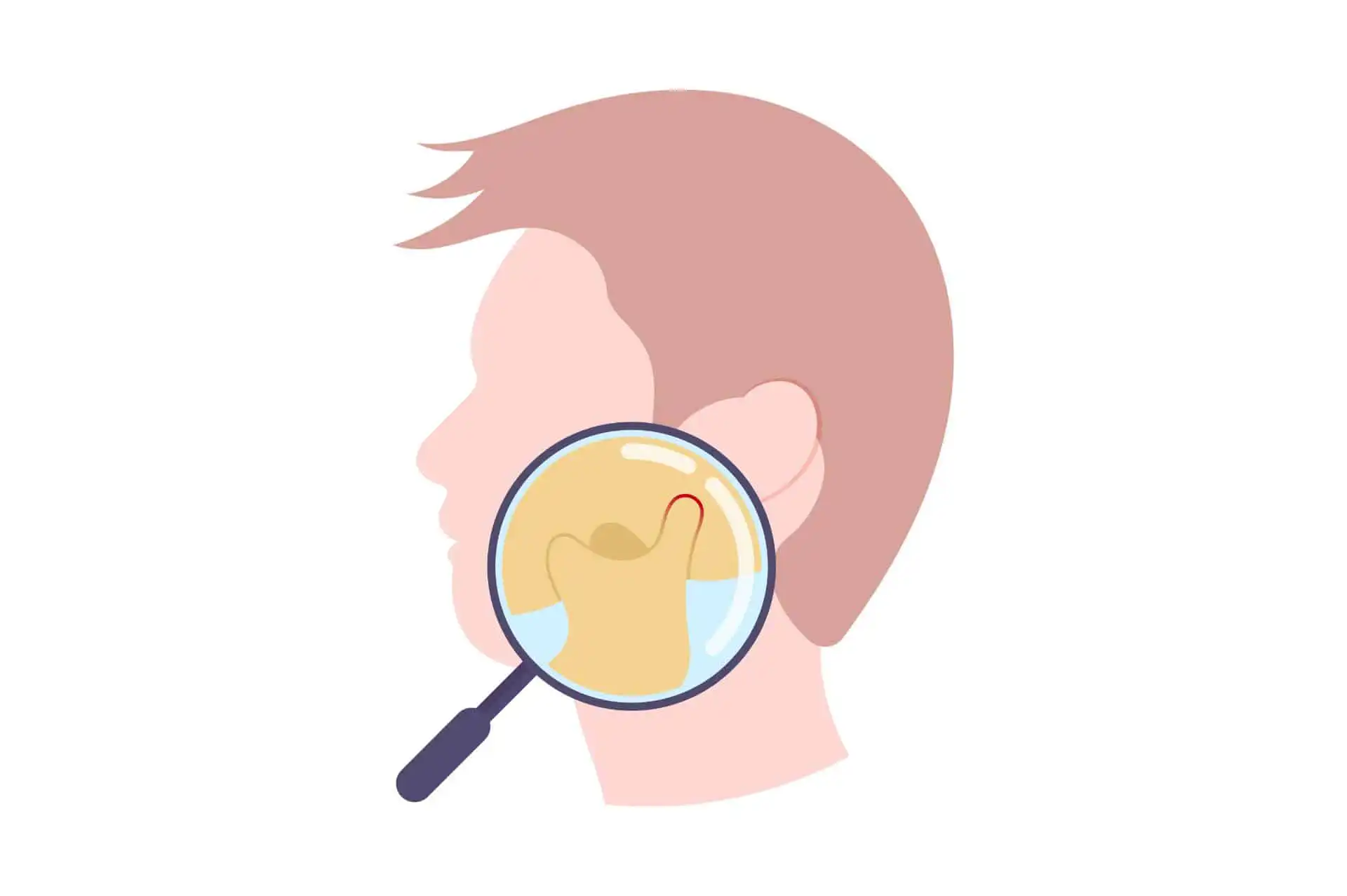
How is TMD diagnosed?
Diagnosis is based on a combination of:
- A detailed medical history, including when the symptoms started, any previous injuries and the presence of teeth clenching or grinding, particularly at night.
- Clinical examination, which includes assessment of mouth opening, joint sounds and palpation of the temporomandibular joint and chewing muscles.
- Imaging examinations, when required, such as panoramic radiography, CBCT or MRI. MRI is particularly useful for assessing the articular disc and other soft tissues within the joint.
Treatment and management
Treatment depends on the underlying cause and the severity of the symptoms.
Conservative treatment
Conservative measures are usually the first approach and may include:
- Patient education and changes in everyday habits, such as avoiding hard foods and chewing gum
- Occlusal splints to manage bruxism and reduce excessive strain on the jaw
- Medication, including analgesics, anti-inflammatory medication and muscle relaxants when clinically indicated
- Physiotherapy, manual therapy and therapeutic exercises to improve mobility and relieve muscle tension
- Stress management techniques, relaxation exercises or biofeedback when stress contributes to jaw clenching or muscle tension
Minimally invasive treatment
When conservative measures do not provide sufficient relief, selected patients may require minimally invasive procedures such as:
- Intra-articular injections, including hyaluronic acid or corticosteroids in appropriately selected cases
- TMJ arthrocentesis or arthroscopy to irrigate the joint, release adhesions and treat specific intra-articular disorders
Surgery
Surgery is required only in selected cases. It may be considered when there is severe structural damage, ankylosis or extensive destruction of the temporomandibular joint.
When should you see a specialist?
If symptoms such as pain, jaw locking or increasing difficulty opening the mouth persist for more than two to three weeks or become progressively worse, an assessment by an oral and maxillofacial surgeon or a clinician experienced in TMJ disorders is recommended.
A specialist evaluation helps determine whether the symptoms originate from the joint, the surrounding muscles or another condition and guides the choice of appropriate treatment.
Self-care tips at home
During periods when symptoms are more intense:
- Choose softer foods that require less chewing.
- Apply a warm compress for short periods to help relieve muscle discomfort.
- Avoid opening the mouth excessively wide, including during yawning.
- Reduce habits that place unnecessary strain on the jaw.
- Use relaxation techniques and pay attention to posture, particularly during prolonged desk work.
Frequently Asked Questions (FAQ)
What does clicking in the jaw mean?
Clicking is often associated with displacement of the articular disc within the temporomandibular joint. When it occurs without pain or restricted jaw movement, it does not always require treatment.
Can TMD go away on its own?
Many cases improve with conservative measures and changes in habits. Persistent pain, locking or restricted movement should be assessed to determine the underlying cause.
Do occlusal splints always help?
Occlusal splints are useful in appropriately selected patients, particularly when bruxism or excessive loading of the jaw contributes to the symptoms. Their effectiveness depends on the diagnosis, the type of splint and its correct use.