

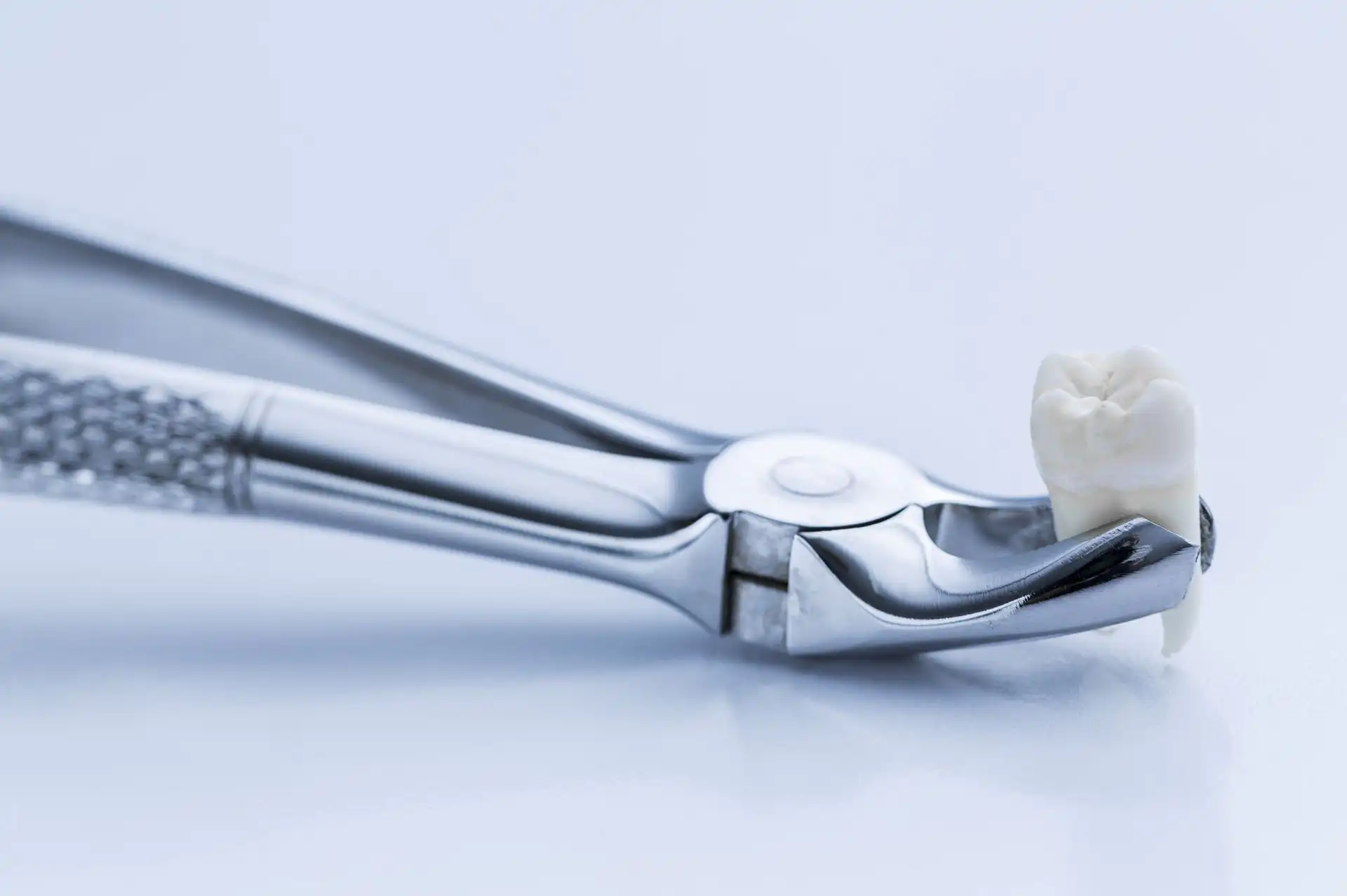
Wisdom Tooth Extraction – Before & Aftercare
Wisdom tooth extraction is a surgical procedure performed by an oral and maxillofacial surgeon. Wisdom teeth, or third molars, are the last teeth to erupt in the mouth and often cause problems due to lack of space, resulting in pain, infection, or damage to adjacent teeth. Carefully following postoperative instructions is essential for a smooth recovery and for minimising the risk of complications.
What should I do before wisdom tooth extraction?
Before wisdom tooth extraction, your oral and maxillofacial surgeon will provide you with detailed instructions:
-
It is important to inform your surgeon about any medications you are taking, allergies, or medical conditions.
-
You should avoid alcohol and smoking before the procedure.
-
In certain cases, preventive antibiotics may be prescribed.
-
Make sure you have arranged transportation home after the procedure, as you may experience dizziness or drowsiness following anaesthesia or sedation.
How is wisdom tooth extraction performed?
Wisdom tooth extraction is usually performed under local anaesthesia. In some cases, sedation or general anaesthesia may be used, particularly when several wisdom teeth are being removed at the same time or when the procedure is more complex.
The oral and maxillofacial surgeon will make a small incision in the gum to expose the tooth. It may be necessary to remove a small amount of bone around the tooth or to section the wisdom tooth into smaller pieces to facilitate its removal. After the tooth has been removed, the extraction site is cleaned, and stitches (sutures) are often placed to promote healing.
What complications can occur after wisdom tooth extraction?
Although wisdom tooth extraction is generally safe, some complications may occur. The most common include swelling and pain, which are usually expected after surgery and can be managed with pain medication. Bruising may also develop around the face.
One possible complication is alveolar osteitis (dry socket), a condition in which the blood clot at the extraction site becomes dislodged, exposing the underlying bone. This can cause severe pain and may require prompt treatment.
Other, less common complications include infection, damage to adjacent teeth or nerves, and prolonged numbness.
How can I manage pain and swelling after wisdom tooth extraction?
After wisdom tooth extraction, some pain and swelling are expected. To relieve pain, follow the medication prescribed by your oral and maxillofacial surgeon.
To reduce swelling, apply cold compresses externally to the cheek for 15–20 minutes at a time, every hour, during the first 24–48 hours.
It is important to avoid hot foods and drinks, as well as smoking and using a straw, as these can disturb the blood clot and increase the risk of dry socket.
What are the postoperative instructions after wisdom tooth extraction?
After wisdom tooth extraction, you will receive detailed postoperative instructions to help ensure a faster and smoother recovery:
-
Instructions regarding oral hygiene, including taking care when brushing near the extraction site.
-
Dietary recommendations, with soft foods generally recommended during the initial recovery period.
-
Avoiding strenuous physical activity during the early stages of recovery.
You will also be prescribed any necessary medication, which may include painkillers and antibiotics.
A follow-up appointment is usually scheduled approximately one week later to monitor healing and remove the sutures, if necessary.