

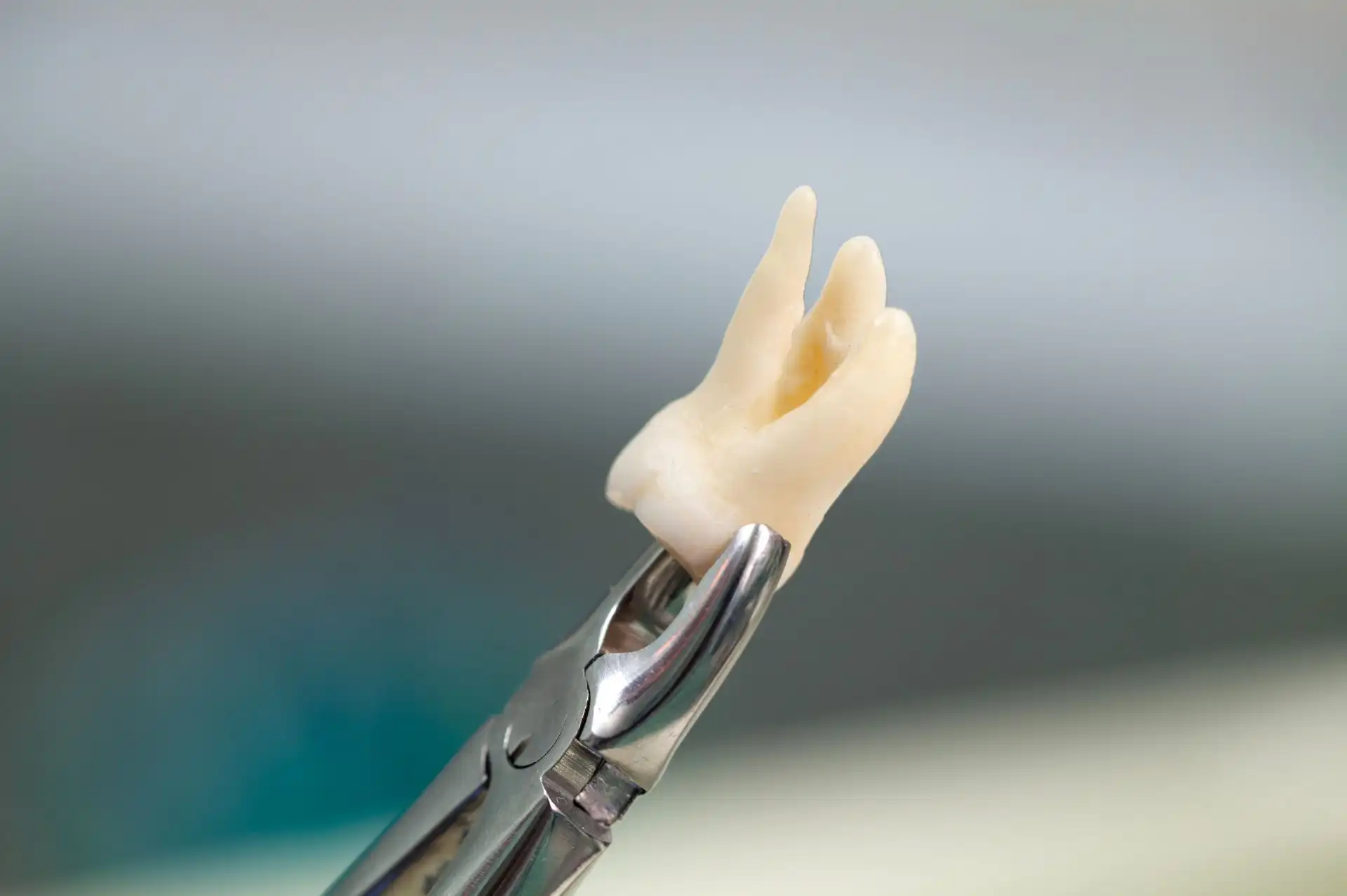
Wisdom Tooth Removal & Possible Complications
Wisdom tooth extraction is one of the most common oral surgical procedures. Although it is usually a safe procedure, it is important to understand both the procedure itself and its potential complications. Wisdom teeth, also known as third molars, usually erupt during the late teenage years or early adulthood. Often, there is not enough space in the mouth for them to fully erupt, which can lead to problems such as impaction, infection, damage to adjacent teeth, or cyst formation. In such cases, wisdom tooth extraction may become necessary.
Why Is Wisdom Tooth Extraction Necessary?
Wisdom tooth extraction may be necessary for several reasons. Wisdom teeth may erupt at an incorrect angle, remain partially or fully impacted beneath the gums or bone, or put pressure on adjacent teeth, causing pain, displacement, or even root resorption. In addition, the difficulty of cleaning partially erupted wisdom teeth can lead to tooth decay, gum disease, or pericoronitis (inflammation of the tissue surrounding the wisdom tooth). In these cases, surgical removal is the recommended approach to prevent or treat more serious problems.
What Is the Procedure for Wisdom Tooth Extraction?
Wisdom tooth extraction is usually performed under local anaesthesia. However, in cases involving multiple extractions or more complex conditions, sedation or general anaesthesia may be used. The oral and maxillofacial surgeon will make a small incision in the gum to expose the wisdom tooth and the surrounding bone. If necessary, a small amount of bone may be removed. The wisdom tooth is often divided into smaller sections to facilitate removal and minimise trauma to the surrounding tissues. Once the tooth has been removed, the area is thoroughly cleaned and the gums are sutured.
What Are the Most Common Complications After Wisdom Tooth Extraction?
Although wisdom tooth extraction is generally a safe procedure, it is important to be aware of the potential complications, which, although uncommon, can occur. The most common include swelling and bruising around the face, pain, and difficulty opening the mouth (trismus). These symptoms are usually temporary and can be managed with painkillers and anti-inflammatory medication. Another relatively common complication is dry socket (alveolar osteitis), which occurs when the blood clot that forms in the extraction socket becomes dislodged prematurely, resulting in severe pain.
Are There Rarer but More Serious Complications During Wisdom Tooth Extraction?
Yes, there are also rarer, but potentially more serious complications associated with wisdom tooth extraction. These include infection at the extraction site, which may require antibiotic treatment or drainage. Very rarely, damage to nearby nerves may occur, such as the inferior alveolar nerve (which affects sensation in the lower lip and chin) or the lingual nerve (which affects sensation in the tongue). Such nerve damage is usually temporary, but in rare cases it can be permanent.
Other possible complications include damage to adjacent teeth or the creation of an oroantral communication (an opening between the mouth and the maxillary sinus) if the wisdom tooth is located very close to the paranasal sinuses.
How Can You Minimise Complications After Wisdom Tooth Extraction?
To minimise complications following wisdom tooth extraction, it is essential to follow your oral and maxillofacial surgeon’s postoperative instructions carefully. These may include applying cold compresses to reduce swelling, avoiding smoking and alcohol, eating soft foods, and maintaining careful oral hygiene around the extraction site. Taking any prescribed medication (painkillers, antibiotics) as directed is also important.
If you experience severe pain, persistent bleeding that does not stop, or fever, you should contact an experienced and qualified oral and maxillofacial surgeon immediately.